Suzuka's Monsoon Masterclass
How the 2017 Super Trofeo Asia wet race separated drivers from passengers
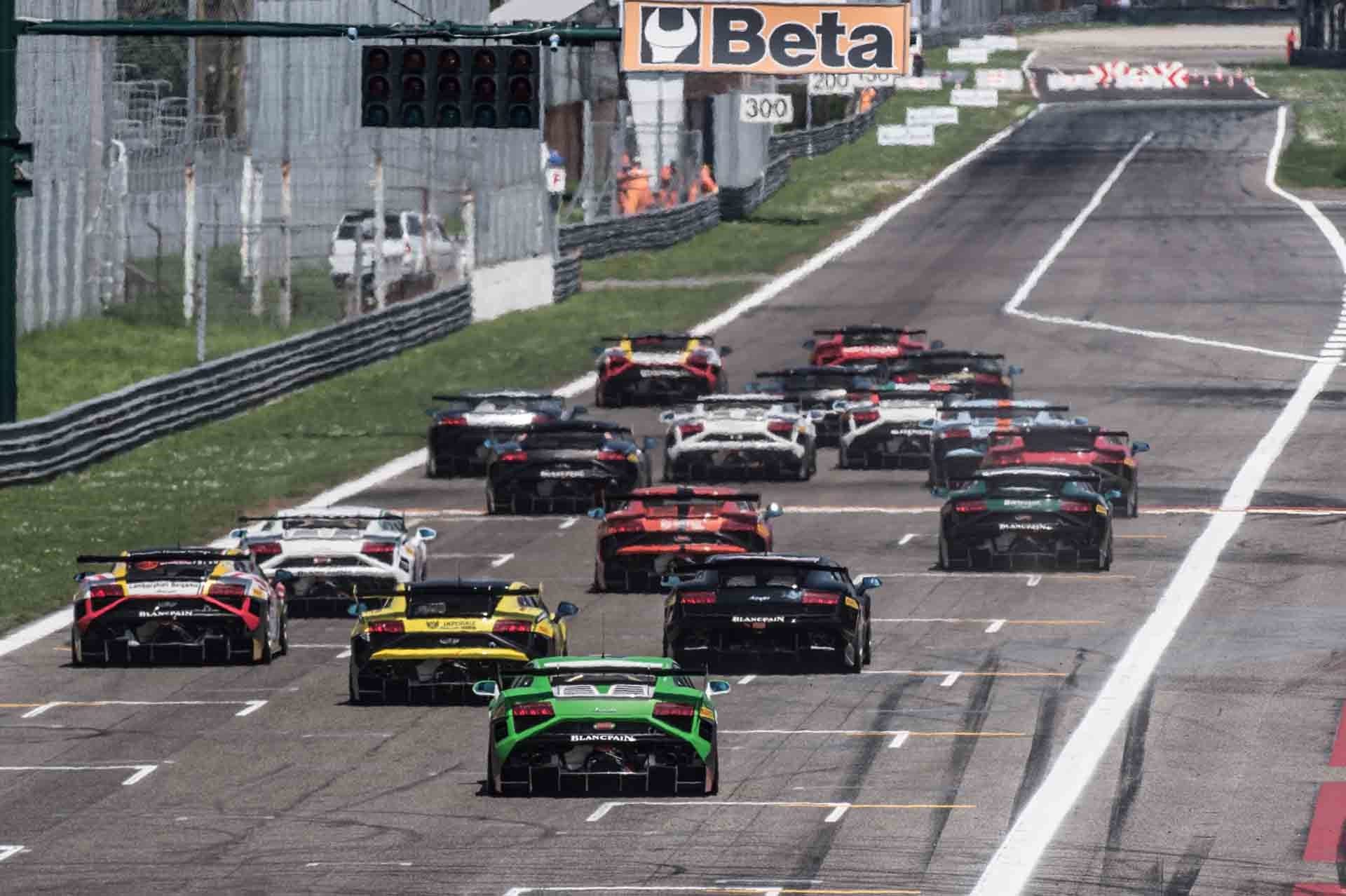
The third round of the Lamborghini Super Trofeo Asia series at Suzuka Circuit on June 25, 2017, opened under persistent rain that forced officials to declare a wet race, mandate rain tires, and start the field behind the safety car.
Rear-wheel drive as the great equalizer
Lamborghini sent all power exclusively to the rear wheels in its one-make racer, creating a car that rewards skill disproportionately and becomes almost punitive in the wet.
Checkered flag at a rain-soaked Suzuka
A competitive Super Trofeo season demands travel across multiple countries, engineering support, tire allocations, and the inevitable repair bills that accumulate when rear-wheel-drive race cars meet monsoon conditions at 200 km/h.
A decade of global single-make data
The operational knowledge accumulated through years of running the Super Trofeo series globally now informs a factory GT3 program built entirely within Sant'Agata, including the recently unveiled Temerario GT3.
From Suzuka to the PRO championship title
Kei Cozzolino and Afiq Yazid went on to claim the overall PRO championship title later that season, clinching it at Shanghai.
620 horsepower, zero margin for error
Every team runs the same Huracán Super Trofeo, so the differences come down to setup choices, driver talent, and the ability to manage a 620-horsepower, rear-wheel-drive platform in conditions where traction barely exists.
Regional grids feeding a global stage
The World Final at Imola functions as the capstone of Lamborghini's entire customer racing ecosystem, a global funnel that gives regional competitors a shot at international recognition.
Squadra Corse's workhorse reaches legacy status
The Huracán Super Trofeo served as the workhorse of Squadra Corse's customer programs for nearly a decade, and the lessons learned from running identical rear-wheel-drive race cars across three continents fed directly into Lamborghini's broader competition strategy.