How the 10,000th Huracán Proved Lamborghini Could Scale a V10 Supercar Without Losing Its Edge
Volume and track credibility worked together, not against each other.
The Huracán's significance rested on two forces that usually conflict: unprecedented production volume and genuine track credibility, working together rather than against each other.
From lap records to showroom traffic
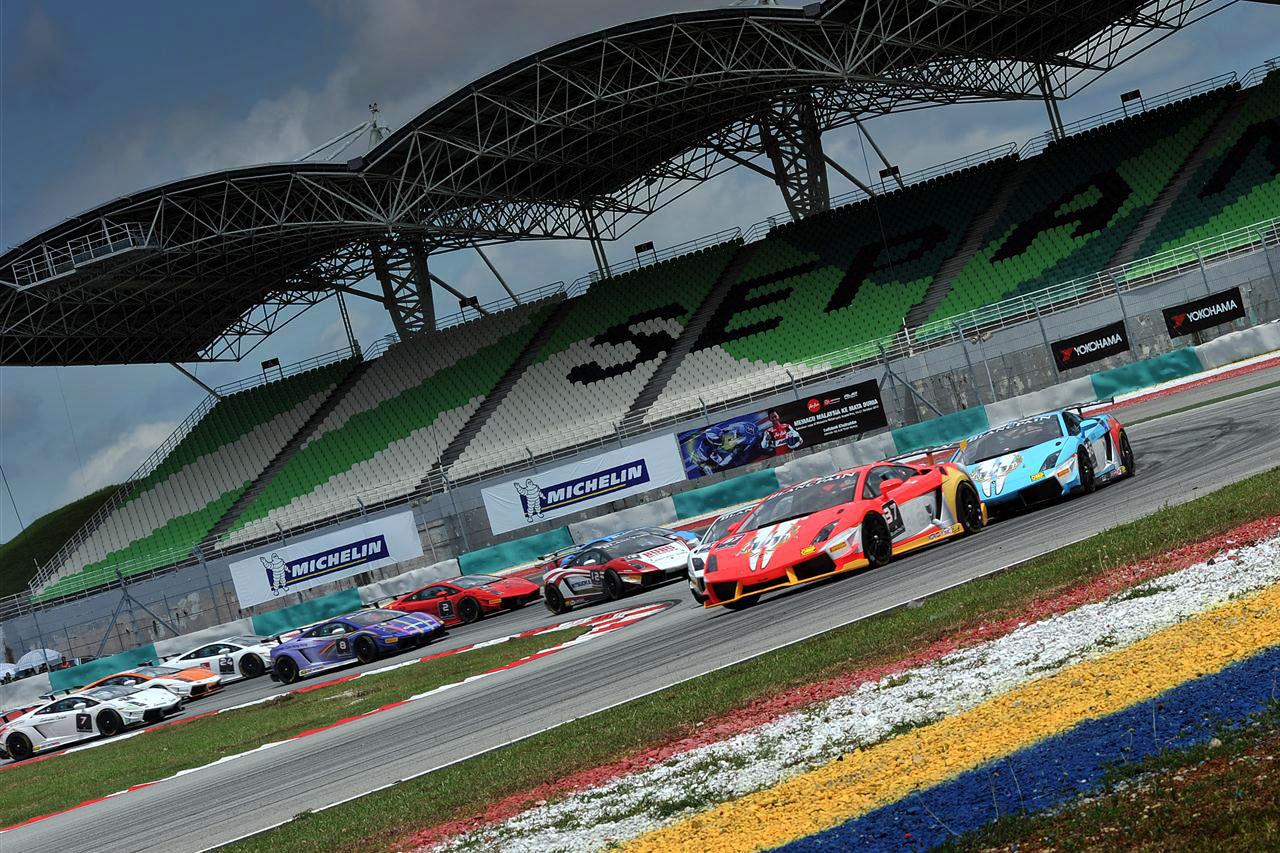
Lamborghini says the Huracán Performante held lap records at eight circuits worldwide, while the GT3 program reinforced the idea that the road car's engineering could survive the scrutiny of endurance racing.
Six derivatives, one platform
At the time of the 10,000th car, the Huracán lineup spanned six derivatives, including the Performante coupé and Spyder plus four-wheel and two-wheel drive versions in both body styles.
The V10 chapter closes, a hybrid era opens
The Huracán's successor, the Temerario, moves to a hybrid twin-turbo 4.0-liter V8 with a 10,000-rpm redline, and Road & Track reports that it loves to slide and revs with genuine enthusiasm.
The 10,000th Huracán celebrated on the Sant'Agata assembly line
Lamborghini says the 10,000th car was a Performante finished in Verde Mantis, destined for a client in Canada, its color a deliberate nod to the Huracán GT3 that took class honors at the 2018 Daytona 24 Hours weeks earlier.
ALA aerodynamics put to the test
The Performante's patented ALA active aerodynamics system adjusted downforce and drag in real time, exotic enough to intrigue engineers and tangible enough to produce measurable results on track.
Volume and exclusivity held in tension
High production volume meant shorter wait times and a broader dealer network, while the Performante and motorsport variants preserved the sense of owning something genuinely special.
The V10 that funded Lamborghini's future
The Huracán's success gave leadership the confidence to pursue further growth, making the case for the Urus SUV, the Revuelto hybrid V12, and the Temerario's turbocharged architecture.