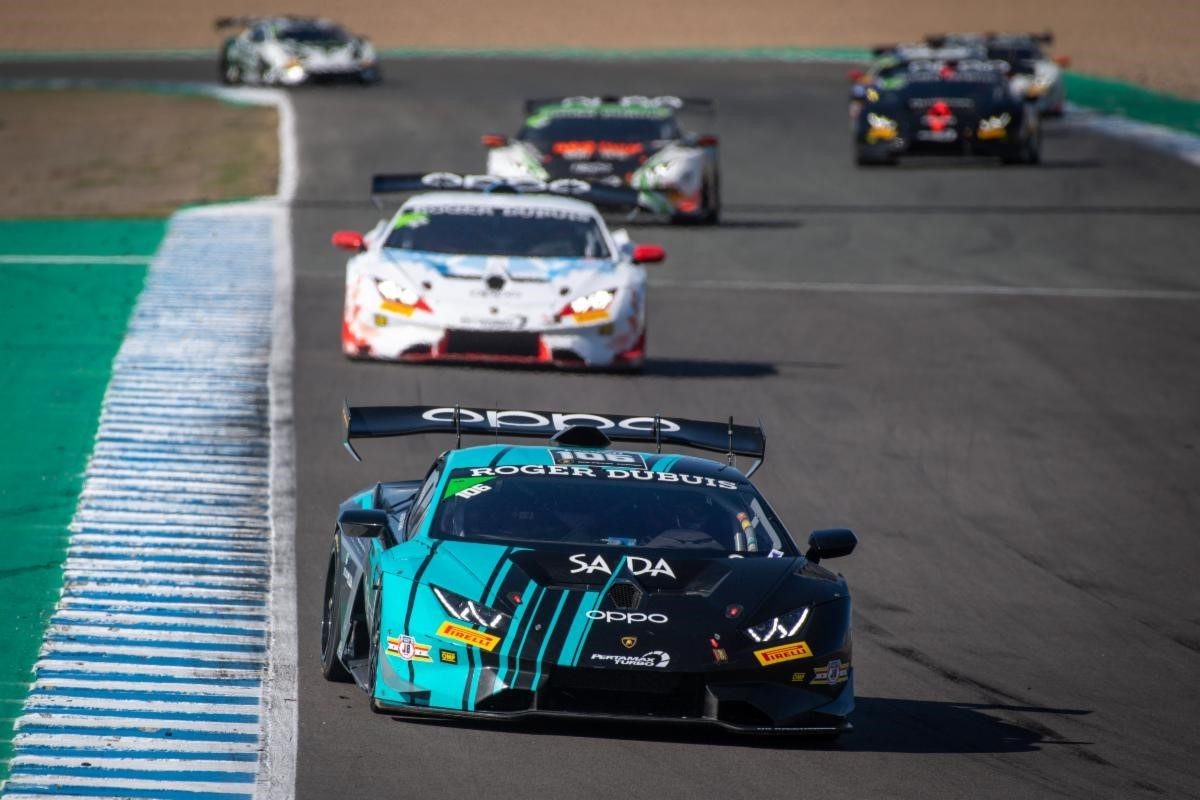
How Ebimotors' 2017 GT3 Le Mans Cup Title Opened Lamborghini's Door to Le Mans
A two-point margin at Portimão earned a brand defined by road cars its first ticket to Le Mans on competitive merit.
Earning a ticket to Le Mans through competitive merit rather than simply buying an entry represented something genuinely new for Lamborghini.
Season-long strategy over single-race heroics
Fabio Babini, a veteran with deep experience in Italian GT racing, and Emanuele Busnelli brought complementary strengths to the driver pairing, a factor that matters enormously in a series where each round features driver changes.
The privateer advantage of a naturally aspirated V10
Ebimotors benefited from running without factory engineering resources because the V10's mechanical simplicity meant fewer variables that could go wrong over a six-round championship.
Beating established GT3 rivals
The Michelin GT3 Le Mans Cup in 2017 pitted the Huracán GT3 against Mercedes-AMG GT3s, Ferrari 488 GT3s, and Porsche entries from manufacturers with longer, deeper histories in organized GT racing.
A platform built for consistency, not brute force
The Huracán GT3's carbon fiber monocoque chassis with integrated roll cage, full carbon body panels, and adjustable aerodynamic elements provided a stable platform that rewarded precise driving.
Three titles, three customer teams, one car
The Huracán GT3 won three championships in 2017 with three different customer teams across three different series, proving the platform itself was competitive rather than benefiting from favorable Balance of Performance in a single paddock.
The Temerario GT3 inherits 96 titles of expectation
The Temerario GT3's transition from a naturally aspirated V10 to a twin-turbocharged powerplant mirrors the broader shift in Lamborghini's road car lineup and raises genuine questions about whether the new car can replicate the Huracán's endurance-racing consistency.