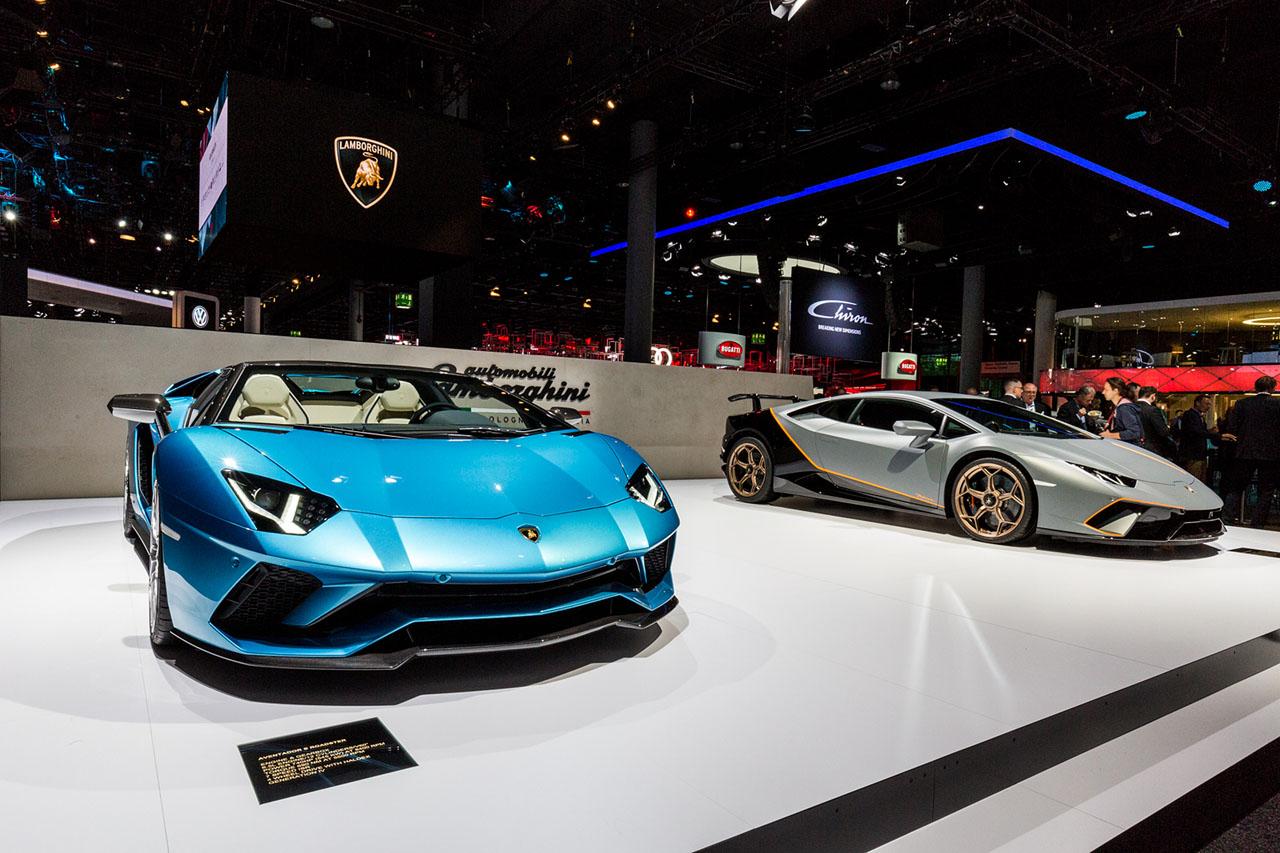
9,000 Huracáns in Three Years, 7,000 Aventadors in Six
Lamborghini's contrasting production rates reveal a deliberate two-tier strategy that defined the brand's modern era.
Lamborghini's V10 line was producing cars at roughly triple the rate of its V12 flagship, and both models were outpacing every predecessor the company had built.
The financial engine behind the brand's future
A company selling cars at this rate can invest in next-generation platforms, racing programs, and the kind of limited-edition variants that keep the collector market engaged.
V12 Roadster cachet
Open-top V12 Lamborghinis carry a particular cachet among collectors, and the S variant's revised aerodynamics and rear-wheel steering represented the most technically refined Aventador available at the time.
Limited-run specials funded by volume
Higher volume on the V10 line generated the cash flow that supported limited-run specials, motorsport programs, and eventually the development of the Urus SUV.
Limited editions as brand-management tools
Lamborghini, under Audi's ownership, adopted a more pragmatic approach: build what the market will absorb, invest the proceeds in product development, and use limited editions to maintain the halo.
Demand that outlasted every forecast
The Aventador's production arc, from a planned 4,000-unit run to an eventual total that one source places at 11,465 over 11 years, demonstrated that Lamborghini could sustain V12 demand far longer than anyone initially projected.
Scarcity and scale working in tandem
Lamborghini's deliberate two-tier logic played out across production planning, market positioning, competitive standing, and the groundwork for its next generation of supercars.
The factory celebrates 7,000 and 9,000
The Diablo averaged about 300 units per year across its 11-year production span, totaling approximately 3,000 cars, making the Aventador and Huracán milestones a dramatic acceleration by any historical measure.
Restraint that paid off at the next price point
The Aventador's supply restraint protected residual values and kept the flagship feeling genuinely special, a calculation that proved important when Lamborghini positioned the Revuelto as its successor at a substantially higher price point.
Naturally aspirated authenticity
The Huracán's naturally aspirated V10, producing its power without turbocharging, gave it an emotional authenticity that resonated with enthusiasts worried about the broader industry's shift toward forced induction.
A customer base built for the next chapter
The Temerario, which eventually replaced the Huracán with a twin-turbocharged V8 hybrid architecture, inherited a customer base that expected both emotional engagement and serious capability.